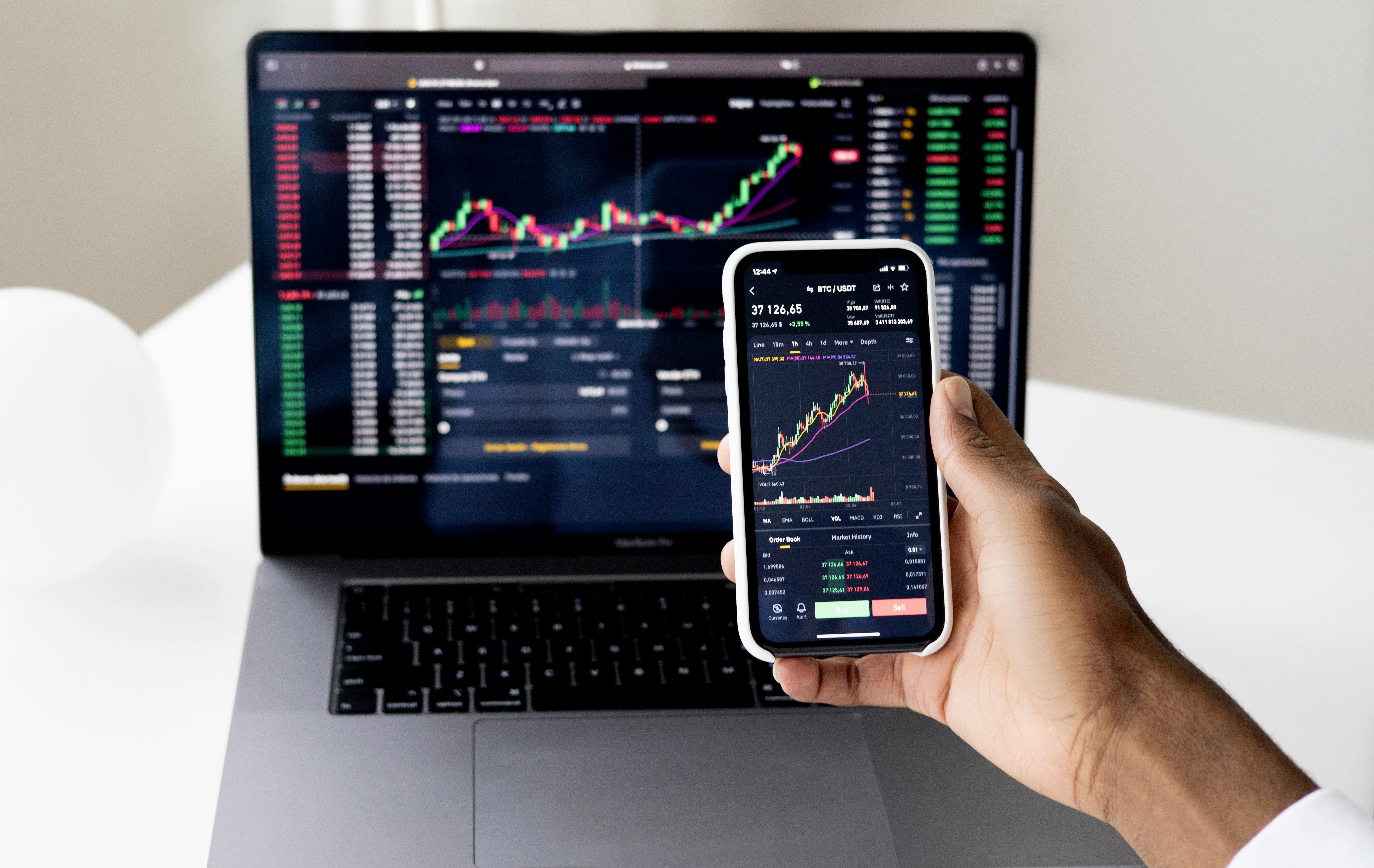

The constant stream of financial headlines can feel impossible to manage. One alert could signal a major market shift, while ten others add nothing but distraction. For investors, the real challenge isn’t access to information—it’s separating meaningful developments from background noise without losing hours each day.
This guide shows you how to build a structured financial news monitoring routine that filters out clutter and highlights what truly moves markets. Drawing on proven strategies used in fast-paced global markets, we’ll walk you through a clear, repeatable system to track updates efficiently, reduce analysis paralysis, and stay ahead with confidence.
Step 1: Define Your Information Perimeter
Before you read a single headline, draw a boundary around what truly matters. Think of your information perimeter as a filter that blocks noise and lets signal through (yes, like muting that one friend who panic-texts every market dip).
Start with scope. Which markets and indices shape your returns? The S&P 500, FTSE All-World, Hang Seng, or specific commodity benchmarks? Write them down. Next, clarify asset classes. Equity options demand volatility data and implied skew; long-term bonds hinge on yield curves and central bank guidance. Futures traders obsess over rollover dates and margin requirements.
Time horizon changes everything. A day trader needs tick-level updates. A retirement investor needs macro trends, earnings cycles, and policy shifts. If it doesn’t affect your timeframe, it doesn’t deserve your attention.
Build Your Core Focus List
Create a document listing 10–15 companies, 3–5 indices, and five economic indicators such as CPI or Non-Farm Payrolls. This becomes your financial news monitoring routine.
What’s next? Once defined, automate alerts and schedule weekly reviews to refine the list as your portfolio evolves.
Stay disciplined, revisit quarterly, and adjust when strategy, risk tolerance, or market structure materially changes to stay aligned always consistently.
Step 2: Curate Your Arsenal of Sources
Not all news sources deserve equal space in your investing life. In my view, one of the biggest mistakes investors make is treating every headline as if it carries the same weight. It doesn’t. If you want a disciplined financial news monitoring routine, you need tiers.
Tier 1: Primary Sources (The Ground Truth).
These are non-negotiable. SEC filings, central bank statements from the Federal Reserve or the Bank of Japan, and official corporate press releases give you unfiltered information. No spin. No commentary. Just raw data. Some argue these documents are too dense or slow to parse. I disagree. Yes, they require effort—but that effort creates an edge (most people won’t read past the headline).
Tier 2: Professional News Wires (The Speed Layer).
Reuters, Bloomberg, and the Associated Press are built for velocity and verification. When markets swing intraday, these outlets usually break the story first. Could they occasionally get details wrong in fast-moving situations? Sure. But their correction standards are strong, and speed matters when futures are reacting in minutes.
Tier 3: In-Depth Analysis (The Context Layer).
The Wall Street Journal, Financial Times, and respected niche newsletters explain the “why.” This is where you connect dots after the closing bell. Personally, I find this layer essential for avoiding knee-jerk trades.
Tier 4: Social Sentiment (The Canary in the Coal Mine).
Platforms like X can signal shifts in mood early. Still, treat it as a temperature check—not a trading signal. Curate carefully, verify relentlessly, and remember: noise travels faster than truth.
Step 3: Construct Your Monitoring Dashboard
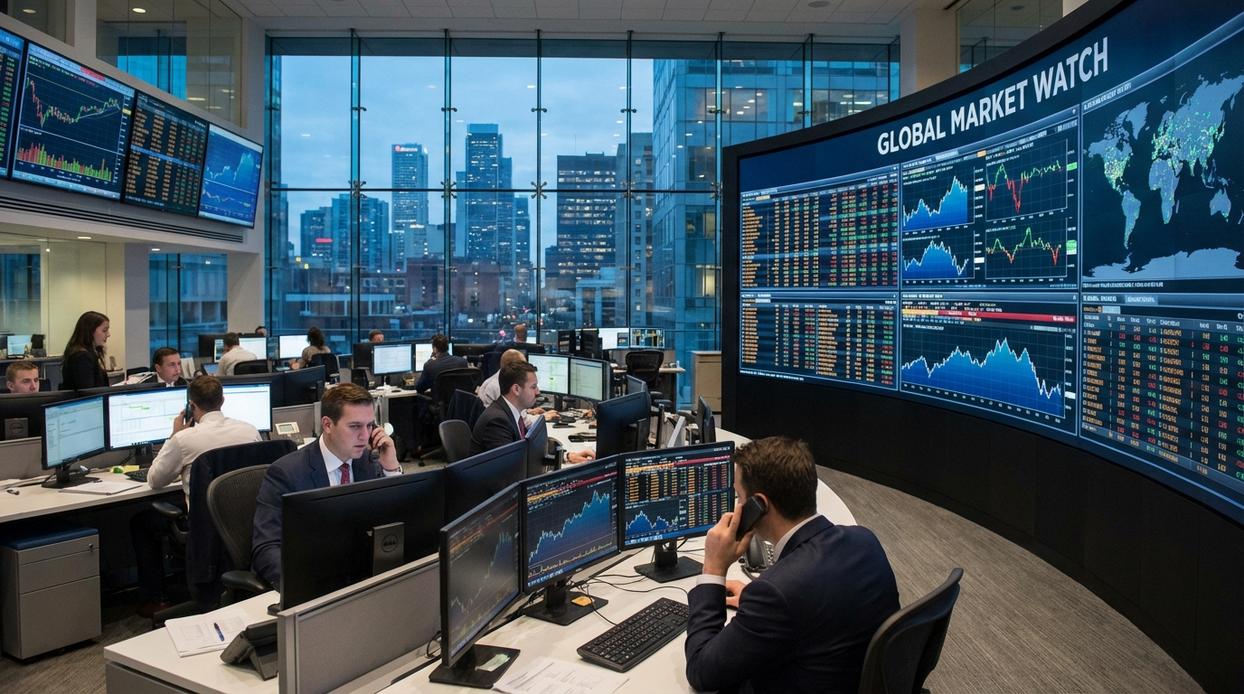
Centralize your curated sources into a single command center to maximize efficiency and minimize distractions.
Use an RSS aggregator like Feedly or Inoreader to consolidate Tier 2 and Tier 3 intelligence. Create folders for Asian markets, US equities, and futures and commodities so signals stay segmented. This structure becomes the backbone of your financial news monitoring routine, reducing cognitive overload before the opening bell.
Next, deploy strategic alerts. Google Alerts and brokerage-native triggers should track your Core Focus List so material filings, earnings surprises, or geopolitical shocks hit your inbox instantly. Think of it as building a private Bloomberg-style terminal without the six-figure invoice (yes, really).
Most competitors stop here, but the edge comes from filtration logic. Configure your brokerage feed to display only assets you hold or watch, then layer macro indicators alongside position-level headlines. Fewer tabs, sharper decisions.
If you need benchmarks, review the best tools for tracking real time market updates. Pro tip: audit your dashboard monthly and delete any source that fails to generate actionable insight. The goal is curated clarity, not constant noise. Discipline here compounds like interest, turning information into sustainable trading advantage. Over time, simplicity wins. Consistently.
Step 4: Implement a Disciplined Daily Cadence
A system only works when it becomes automatic. A disciplined financial news monitoring routine prevents emotional, headline-driven trades (the kind that feel urgent but rarely are).
The Morning Briefing (15 minutes). Scan your RSS dashboard, review how Asian markets closed, and compare FTSE Asia index futures against U.S. overnight moves. Most competitors stop at headlines; go further by noting sector rotation and currency shifts. That context gives you an informational edge before the opening bell.
The Mid-Day Check-In (5 minutes). Look only for true market-moving events—policy surprises, geopolitical shocks, liquidity crunches. If it’s not capable of repricing risk, it waits.
The End-of-Day Review (30 minutes). Read Tier 3 analysis, track cross-border capital flows, and map implications for tomorrow’s session. Pro tip: log one actionable takeaway daily. Over time, patterns emerge others miss. Consistency compounds into measurable decision-making advantages. Small habits drive outsized returns.
Achieving Consistent and Actionable Market Awareness
You came here to escape information overload and gain clear, actionable market awareness. Now you have the blueprint. By defining your focus, curating reliable sources, building a dashboard, and committing to a disciplined financial news monitoring routine, you turn chaos into clarity and uncertainty into confident action.
The real pain isn’t lack of information — it’s drowning in it and missing what truly moves markets. A structured system ensures you capture critical Asian market shifts while filtering out distractions that lead to costly mistakes.
Start today by creating your Core Focus List and implementing your routine. Join thousands of investors who rely on timely, data-driven updates — and take control of your market decisions now.