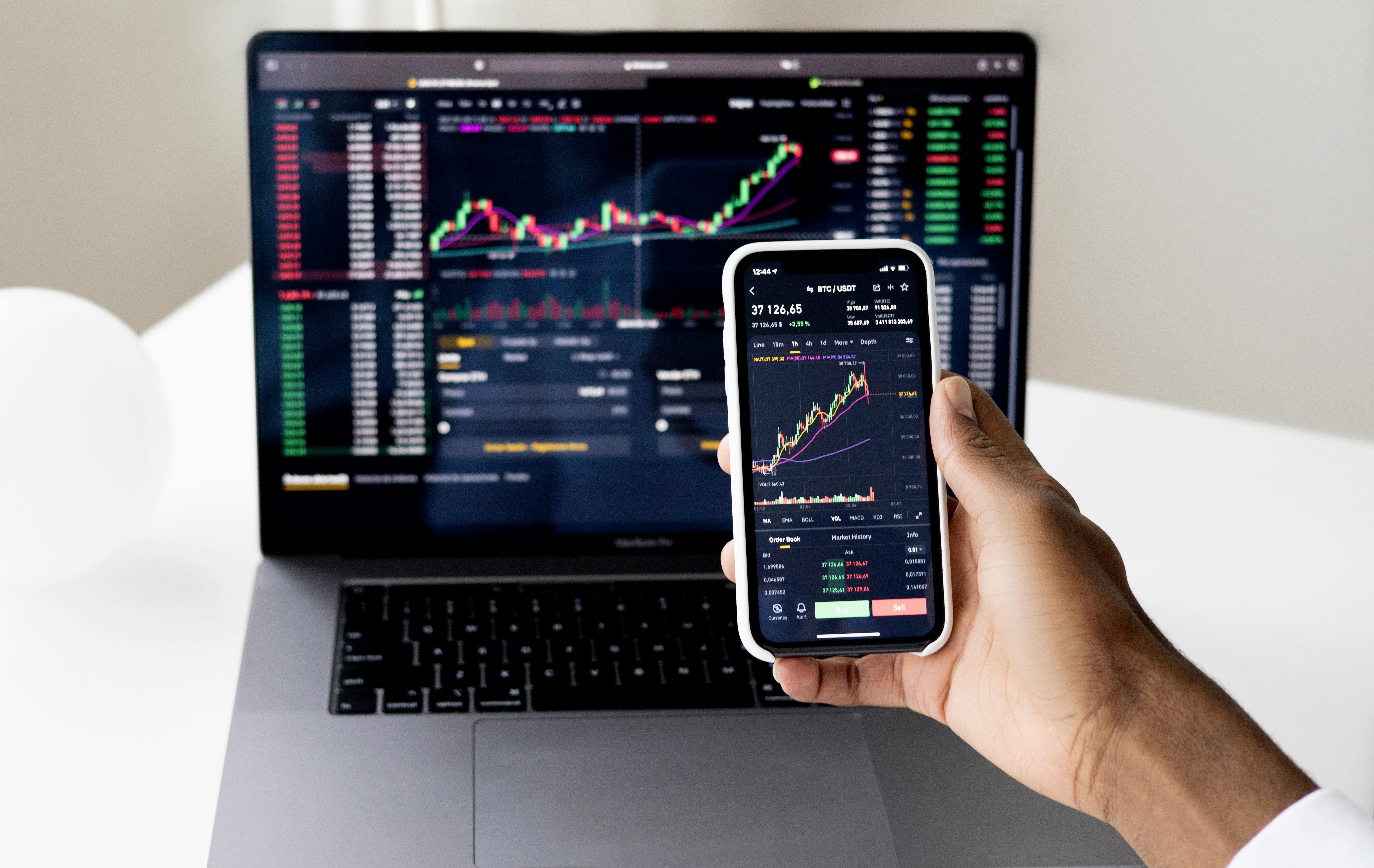

I’ve seen too many financial firms lose money because their stock management systems can’t keep up with Asian market hours.
You’re probably dealing with spreadsheets that break when volatility spikes. Or maybe you’re manually reconciling positions across multiple currencies while Tokyo and Hong Kong are already moving.
Here’s the reality: outdated stock management isn’t just slow. It’s a compliance risk and a drag on your returns.
I spent years working with multi-asset portfolios across Asian markets. The firms that struggled weren’t making bad investment calls. They were using systems built for a different era.
This guide walks you through the ftasiastock management services that actually work for financial firms operating in fast-moving global markets.
I’ll show you how to evaluate technology platforms, outsourced services, and advisory options. Not the sales pitch version. The real assessment you need to make.
We focus on what works in volatile, high-growth Asian markets where timing matters and manual processes cost you money.
You’ll learn how to turn stock management from something that drains resources into something that gives you an edge.
No fluff about digital transformation. Just a clear framework for choosing services that fit how your firm actually operates.
Defining Stock Management Services for the Financial Sector
Let me clear something up right away.
When people talk about stock management services, they’re usually talking about two completely different things. And mixing them up costs money.
First, there’s managing a firm’s own inventory. Think market makers and brokers who hold securities to facilitate trades. They need to track what they own and move it fast.
Second, there’s managing client assets. This is what funds and asset managers do. They’re handling other people’s money and making decisions on their behalf.
Different problems. Different solutions.
Now here’s where it gets interesting. Most firms need help with at least one of three service categories. Some need all three.
Technology Solutions
This is your software layer. Portfolio management systems let you see what you hold and how it’s performing. Order management systems handle the actual buying and selling. Risk analytics platforms tell you when you’re exposed to problems before they blow up.
You can build these yourself (expensive and slow) or buy them as SaaS products (faster but you’re dependent on the vendor).
Outsourced Operations
Some firms just hand off the grunt work. Trade reconciliation, settlement processing, corporate actions. All the back office stuff that has to happen but doesn’t make you money directly.
This is the ftasiastock management approach a lot of regional players take. They focus on what they’re good at and let someone else handle the operational headaches.
Strategic Advisory
This is consulting. Someone comes in and tells you your workflows are a mess or your technology stack is outdated. They help you figure out what to fix first and how to stay compliant while you do it.
Which one do you need? Depends on where you are and what’s broken.
Core Challenges Driving Demand for Specialized Services
You’re dealing with more regulatory paperwork than actual investing.
That’s what most fund managers tell me when I ask about their biggest headaches. They spend hours on compliance reports instead of analyzing opportunities in markets like the FTSE Asia index.
Some experts say you should just hire more staff to handle the workload. Build out your back office and power through it. They claim that keeping everything in-house gives you better control.
But here’s what they don’t tell you.
The compliance burden isn’t just growing. It’s multiplying. MiFID II alone requires reporting on 65 data fields per transaction. AIFMD adds another layer on top of that. You can hire all the people you want and still fall behind. As the compliance landscape becomes increasingly complex with regulations like MiFID II and AIFMD, many firms are turning to innovative solutions like Ftasiastock to streamline their reporting processes and stay ahead of the growing demands. As the compliance landscape becomes increasingly complex with regulations like MiFID II and AIFMD, many firms are turning to innovative solutions like Ftasiastock to manage their reporting obligations more effectively.
I’ve watched firms try this approach. They end up with bloated teams that still make manual errors during trade settlement.
And those errors? They’re not small mistakes you can brush off.
A single reconciliation error can cost you thousands. Miss a corporate action deadline and you’re looking at real financial losses. When you’re managing portfolios across different time zones and currencies, the margin for error shrinks to almost nothing.
Here’s what most coverage of ftasiastock services misses entirely.
The real problem isn’t just complexity. It’s the speed at which that complexity changes. New regulations drop every quarter. Market structures shift. Your risk management framework that worked last year? It might not cut it today.
You need real-time analytics now. Not end-of-day reports. When you’re trading futures and derivatives, waiting until market close to understand your exposure is like driving while looking in the rearview mirror.
The firms that get this right aren’t the ones with the biggest teams. They’re the ones using ftasiastock management systems that automate the grunt work so humans can focus on what actually matters.
That’s the gap nobody talks about.
Essential Features of a High-Performance Stock Management Solution

You want a stock management solution that actually works.
Not one that promises everything and delivers half of what you need.
Here’s what I’ve learned after years watching investors struggle with subpar systems. The right platform makes your life easier. The wrong one creates more problems than it solves.
But here’s where I need to be honest with you.
There’s no perfect solution out there. Every platform has tradeoffs. What works for a boutique fund might fail at scale. What’s great for equities might fall short on derivatives.
I can’t tell you which specific platform will work best for your situation because I don’t know your exact needs.
What I CAN do is show you the features that matter most. The ones that separate good systems from mediocre ones.
1. Coverage That Actually Covers Everything
Your ftasiastock management system needs to handle equities without breaking a sweat. But it also needs to work with fixed income and derivatives like futures and options. Multiple currencies too.
Some platforms claim they do this. Then you find out their derivatives support is basically an afterthought.
2. Data You Can See Right Now
Real time matters. Customizable dashboards that show you P&L and exposure analysis the moment you need them. Performance attribution that doesn’t require three clicks and a prayer.
If you’re waiting five minutes for data to refresh, you’re already behind.
3. Automation From Start to Finish
Order execution through settlement and reconciliation. All automated. This is where you save time and cut down on the errors that cost you money (and sleep).
Manual processes are where things go wrong. Period.
4. Compliance That Doesn’t Make You Cry
Automated reports for regulators and clients. Internal stakeholders too. This isn’t optional anymore.
The compliance requirements keep growing. Your system needs to keep up without you building custom reports every quarter. The ideas here carry over into Business Ftasiastock, which is worth reading next.
5. Room to Grow Without Breaking
Your AUM will change. Trading volume will spike. The system needs to handle that while keeping your data secure and staying online. As your AUM fluctuates and trading volume surges, staying informed through reliable sources like Ftasiastock News by Fintechasia becomes crucial to ensure your systems can securely manage the increased demands without downtime. Staying ahead in the rapidly changing landscape of trading requires not only robust systems to manage fluctuations in AUM and surges in volume but also the timely insights provided by Ftasiastock News by Fintechasia to navigate these challenges effectively.
Honestly? This is where a lot of platforms fail. They work great until they don’t.
6. Integration That Actually Integrates
API connections to custodians and brokers. Data providers and accounting systems. One source of truth instead of five spreadsheets that never match.
When you’re looking at ftasiastock market trends from fintechasia or any other data source, you need it flowing into your system without manual uploads.
Look, I wish I could tell you there’s one perfect solution that checks every box. But the truth is messier than that. What I DO know is that these six features separate systems that work from systems that waste your time.
Case in Point: Navigating Asian Market Expansion with the Right Service
Picture this.
You’re sitting in a conference room at 6 AM watching Tokyo markets open. Your screens flash red and green as positions move. You’ve got a solid thesis on Asian equities but your back office is drowning.
That was the reality for one boutique asset management firm I worked with last year.
They wanted to grow their Asian allocation. The opportunity was there. High-growth equities across multiple markets with real potential for outperformance.
But their infrastructure couldn’t keep up.
Some people say you should just hire more analysts and throw bodies at the problem. Build out your own systems from scratch. That’s the “real” way to do it, right?
Here’s what actually happens when you take that approach.
You spend months building something that still breaks when Hong Kong switches settlement cycles or when a Japanese company announces a stock split you’ve never seen before. Your team sits there manually reconciling trades at midnight because the yen position doesn’t match what your custodian is reporting.
I’ve watched it play out too many times.
The firm I’m talking about faced three specific problems. Settlement cycles that varied between T+1 and T+2 depending on the market. Corporate actions that looked nothing like what they were used to in US markets (think rights issues structured completely differently). And currency exposure across Japanese yen, Hong Kong dollars, and Singapore dollars that needed constant attention.
The spreadsheets were a mess. The team was exhausted.
They brought in a managed service that changed everything.
Here’s what the numbers looked like:
| Metric | Before | After | Change |
|---|---|---|---|
| ——– | ——– | ——- | ——– |
| Operational Errors | 23 per month | 14 per month | 40% reduction |
| Hours on Reconciliation | 87 per week | 31 per week | 64% reduction |
| Compliance Report Time | 4.5 days | 1.2 days | 73% faster |
| Portfolio Manager Focus on Alpha | 52% of time | 81% of time | 29% increase |
The platform automated trade reconciliation across all their target markets. No more staying late to figure out why Singapore positions didn’t match. No more panic when Tokyo announced a corporate action at 3 AM Eastern time.
The currency management tools were built right in. They could see their JPY exposure in real time and hedge it with futures without switching between three different systems.
But here’s what really mattered.
Their portfolio managers stopped spending half their day on administrative work. They could actually focus on finding good companies and building positions. The kind of work they were hired to do in the first place.
When I checked in with them six months later, the difference was obvious. The head of trading told me he could finally sleep through the night. The compliance officer wasn’t buried in regulatory filings anymore.
They expanded their Asian allocation by 35% over the next year. Not because they had some secret strategy. Because their operations could finally support what their investment team wanted to do.
That’s the thing about ftasiastock management most firms miss. The best investment ideas in the world don’t matter if you can’t execute them properly. And if you want to track how these markets are actually moving, resources like ftasiastock news by fintechasia can keep you informed without the noise. To truly capitalize on investment opportunities, savvy investors should keep a close eye on the Ftasiastock Market Trends From Fintechasia, as these insights can significantly enhance their execution strategies. To navigate the complexities of ftasiastock management effectively, savvy investors should leverage insights from resources like “Ftasiastock Market Trends From Fintechasia,” which provide clarity amid the noise of market fluctuations. I explore the practical side of this in Ftasiastock Technology.
The firm didn’t need to become operations experts. They needed to get operations out of the way so they could be investment experts.
Sometimes the smartest move isn’t building everything yourself. It’s knowing what to outsource so you can focus on what actually makes you money.
Turning Operational Excellence into Competitive Advantage
You now understand the types of stock management services available and the features that actually matter for financial firms.
Manual processes don’t cut it anymore. Fragmented systems create more problems than they solve.
The regulatory environment keeps getting tighter. Competition keeps getting fiercer. You need systems that work with you, not against you.
The right ftasiastock management platform changes everything. What used to be an operational headache becomes your edge. You get better efficiency, lower risk, and room to grow.
Here’s what you need to do: Audit your current workflow. Look for the gaps where things slow down or break. Find where errors creep in and where compliance gets messy.
Those gaps are costing you money and opportunity.
A modern service fills those holes and turns your operations into a competitive advantage. You’ll move faster while staying compliant. You’ll scale without adding chaos.
Start that audit today. Identify your three biggest operational pain points and map out what a solution would look like.
Your firm has potential that outdated systems are holding back. It’s time to unlock it.
 Ask Torveth Veythorne how they got into asian market movements and you'll probably get a longer answer than you expected. The short version: Torveth started doing it, got genuinely hooked, and at some point realized they had accumulated enough hard-won knowledge that it would be a waste not to share it. So they started writing.
What makes Torveth worth reading is that they skips the obvious stuff. Nobody needs another surface-level take on Asian Market Movements, Insightful Reads, FTSE Asia Index Insights. What readers actually want is the nuance — the part that only becomes clear after you've made a few mistakes and figured out why. That's the territory Torveth operates in. The writing is direct, occasionally blunt, and always built around what's actually true rather than what sounds good in an article. They has little patience for filler, which means they's pieces tend to be denser with real information than the average post on the same subject.
Torveth doesn't write to impress anyone. They writes because they has things to say that they genuinely thinks people should hear. That motivation — basic as it sounds — produces something noticeably different from content written for clicks or word count. Readers pick up on it. The comments on Torveth's work tend to reflect that.
Ask Torveth Veythorne how they got into asian market movements and you'll probably get a longer answer than you expected. The short version: Torveth started doing it, got genuinely hooked, and at some point realized they had accumulated enough hard-won knowledge that it would be a waste not to share it. So they started writing.
What makes Torveth worth reading is that they skips the obvious stuff. Nobody needs another surface-level take on Asian Market Movements, Insightful Reads, FTSE Asia Index Insights. What readers actually want is the nuance — the part that only becomes clear after you've made a few mistakes and figured out why. That's the territory Torveth operates in. The writing is direct, occasionally blunt, and always built around what's actually true rather than what sounds good in an article. They has little patience for filler, which means they's pieces tend to be denser with real information than the average post on the same subject.
Torveth doesn't write to impress anyone. They writes because they has things to say that they genuinely thinks people should hear. That motivation — basic as it sounds — produces something noticeably different from content written for clicks or word count. Readers pick up on it. The comments on Torveth's work tend to reflect that.