
Asian markets move fast, and if you’re searching for timely updates on FTSE Asia index trends, futures activity, or broader regional stock movements, you need information that keeps pace. This article is designed to give you a clear, up‑to‑date overview of what’s happening across key Asian indices, what’s driving price action, and how those shifts could impact short‑ and long‑term investment decisions.
We focus on actionable insights powered by real time market tracking tools, historical index data, and consistent monitoring of futures markets and macroeconomic signals. By combining live market observations with trend analysis and investor news updates, this guide helps you cut through speculation and focus on what truly matters.
Whether you’re tracking daily volatility or evaluating broader FTSE Asia patterns, you’ll find structured analysis, current context, and practical takeaways to support more confident, informed trading and investment decisions.
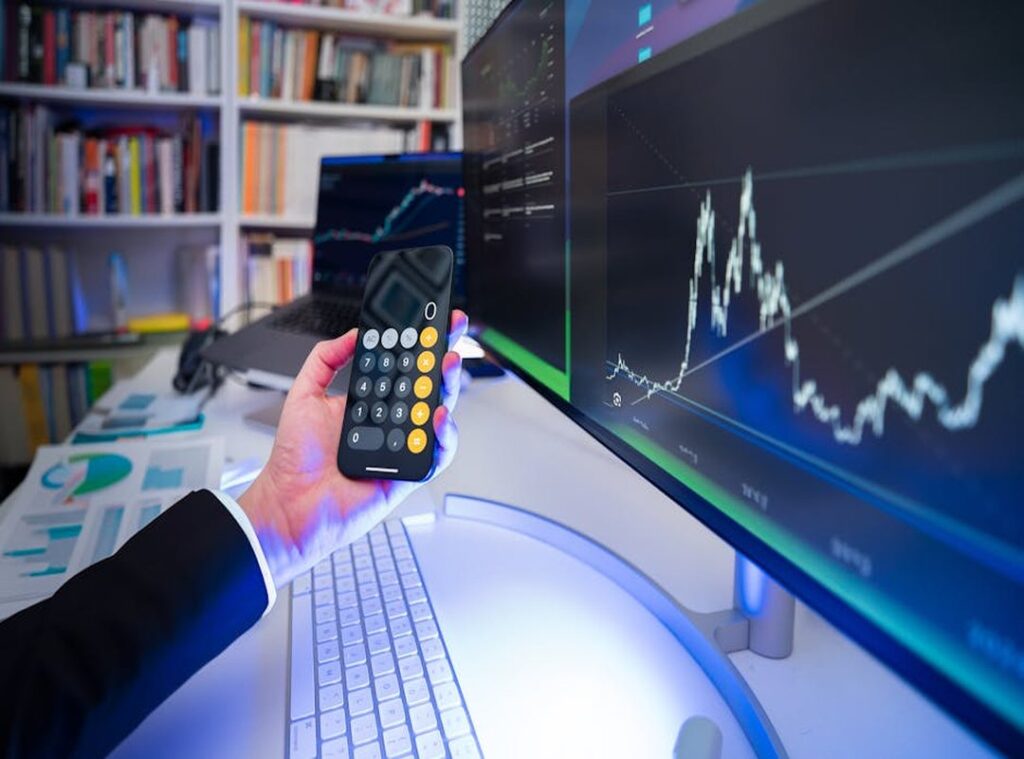
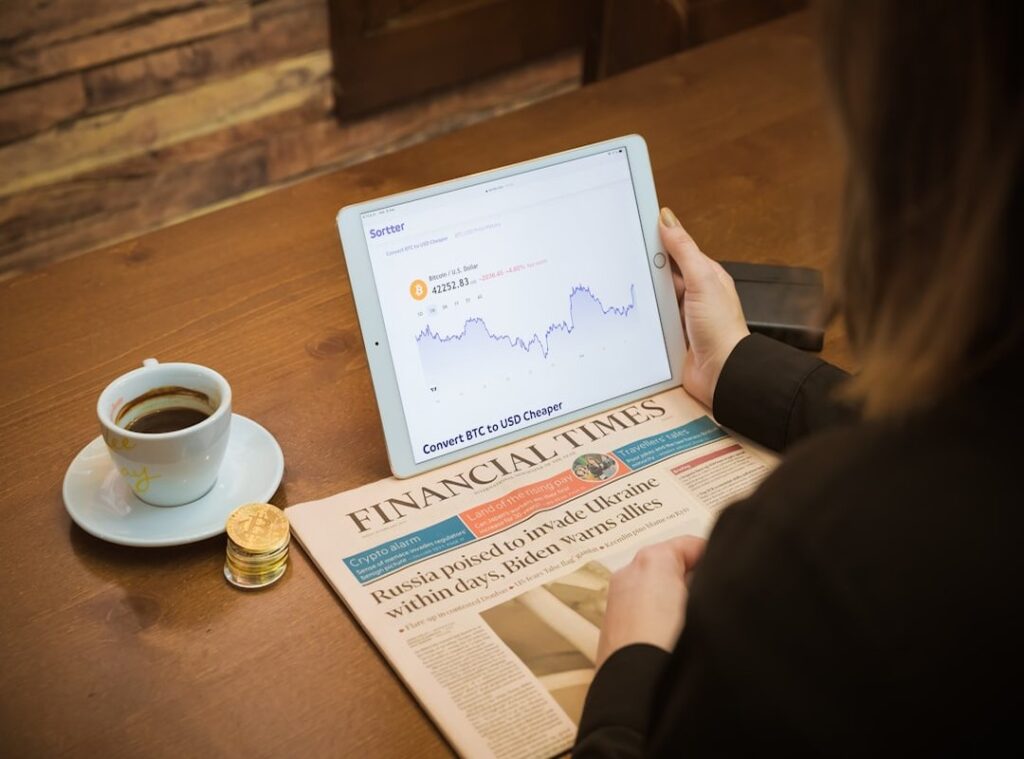
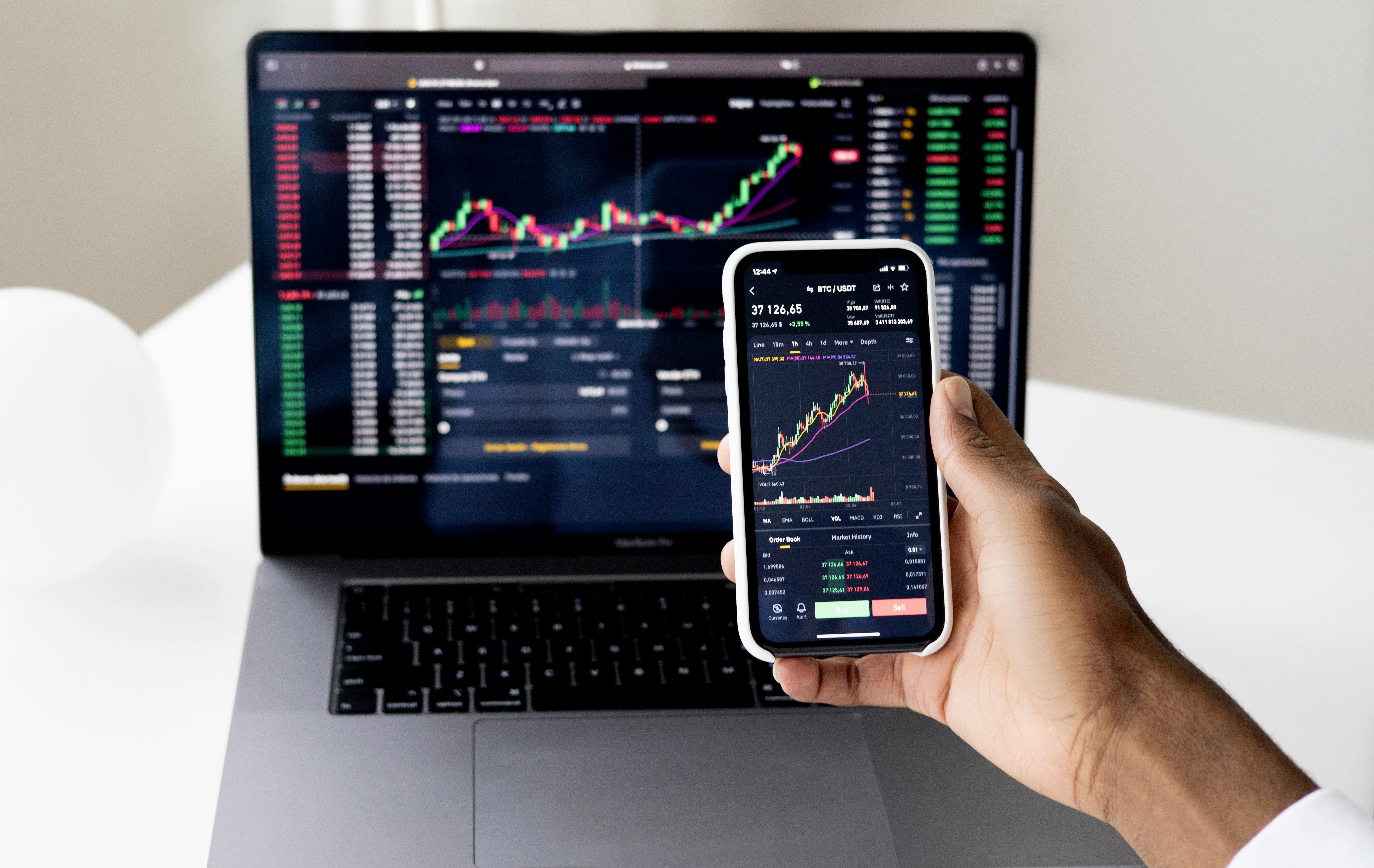
Gaining an edge in volatile markets starts with speed. When prices swing in seconds, delayed quotes distort risk and reward. That’s why real time market tracking tools matter: they stream live prices, breaking news, and sentiment data in one dashboard.
Still, I’ll admit something—no platform is perfect. Bloomberg Terminal offers depth, yet it’s expensive. TradingView is flexible, but data feeds can vary by exchange. Free broker apps feel convenient, though coverage of Asian indices and futures may lag.
So how do you choose? First, match latency needs to strategy. Then compare cost, customization, and alerts. Test before committing. Choose wisely.
Real-time data isn’t just fast data—it’s tick-by-tick price updates delivered with near-zero latency (delay between market event and screen display). A 15-minute delayed feed might look harmless, but in futures markets where contracts can move dozens of ticks in seconds, latency directly affects fill prices and slippage costs. According to CME Group, microsecond advantages can materially impact high-frequency outcomes.
Some argue long-term investors don’t need immediacy. Fair. If you’re buying and holding broad ETFs, seconds rarely matter. But active traders reacting to central bank rate decisions or sudden geopolitical shocks need execution aligned with reality—not yesterday’s snapshot.
Here’s what sophisticated investors monitor beyond price:
- Level 2 market depth to see liquidity walls.
- Volume spikes confirming breakout conviction.
- Options flow revealing institutional positioning.
- Real-time sentiment analysis from news and social feeds.
Integrated real time market tracking tools consolidate signals, creating information edge competitors overlook (a Moneyball moment).
Tier 1 Platforms: The Professional’s Toolkit
When professionals talk about “Tier 1 platforms,” they mean institutional-grade systems that combine market data, analytics, and execution tools into one ecosystem (think of them as the Swiss Army knives of finance).
Bloomberg Terminal remains the industry standard. Its strength lies in comprehensive, all-in-one data—equities, fixed income, commodities, derivatives—plus a proprietary news service that often breaks market-moving headlines first. For institutional investors, the deep analytics and functions like relative value models and risk monitors are indispensable. However, the high cost is a primary barrier. If you’re evaluating it, start by listing the exact workflows you need—portfolio stress testing, earnings analysis, or macro tracking—then test those functions during a trial to ensure you’ll actually use what you’re paying for.
Meanwhile, Refinitiv Eikon (LSEG) stands as a direct competitor. It offers powerful charting tools and strong access to global market data, with particular depth in foreign exchange (FX) and FTSE index tracking. Its slightly more flexible pricing models can make scaling easier for smaller desks. For example, if you trade Asian indices, set up customizable FX dashboards alongside FTSE benchmarks to monitor currency impact in real time (a small tweak that can prevent big surprises).
Then there’s FactSet, known for robust analytical capabilities in equity research and portfolio management. It integrates real-time data with historical financials for deep fundamental analysis. To get the most out of it, build a screening template that filters by revenue growth, margin expansion, and debt ratios—then layer in valuation metrics for context.
Some argue retail investors don’t need these platforms. That’s fair—many rely on real time market tracking tools that cost far less. Yet for professionals managing large portfolios, the depth, speed, and integration of Tier 1 systems often justify the investment.
Specialized Tools for Focused Strategies
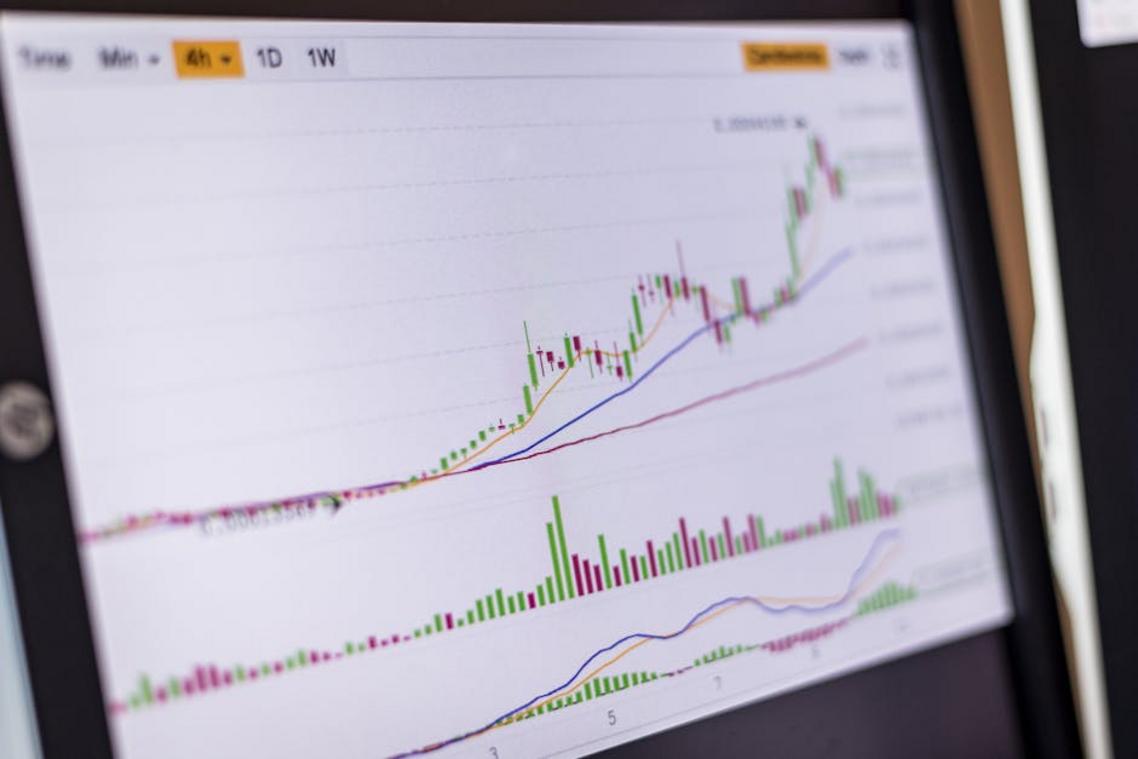
Let’s be honest: using the wrong trading platform is exhausting. Laggy charts, delayed data, clunky layouts—it’s enough to make you question your entire strategy (and maybe your life choices). That’s why choosing specialized real time market tracking tools matters.
TradingView
First, TradingView remains the gold standard for technical analysis. Its interface is clean, intuitive, and beginner-friendly—no engineering degree required. You get access to thousands of community-built indicators (custom formulas traders create to analyze price movements), plus coverage of global markets, including major Asian exchanges.
However, here’s the catch: the free version offers delayed data for certain markets, while paid plans unlock real-time feeds and advanced alerts. If you’ve ever missed a breakout because your chart was 15 minutes behind, you know how painful that can be. Some argue free tools are “good enough.” But when timing drives profits, “good enough” can feel expensive.
Benzinga Pro
Meanwhile, Benzinga Pro is built for speed. Its real-time news squawk delivers audio headlines instantly, and its unusual options activity alerts flag large, potentially market-moving trades. Add a calendar of earnings and economic events, and you have a command center for headline-driven traders. Day traders especially appreciate reacting before the crowd.
MetaTrader 5 (MT5)
Finally, MetaTrader 5 dominates forex and CFD trading. Its Expert Advisors (automated trading algorithms) allow hands-off strategy execution. Combined with advanced charting and broker integration, it’s powerful. Still, automation isn’t magic—strategies require testing.
If news delays frustrate you, consider setting up custom news alerts for investing to stay ahead instead of scrambling behind.
Accessible & Free Options for Everyday Investors
Not everyone needs a Wall Street trading desk setup (this isn’t The Wolf of Wall Street). In fact, many investors do just fine with free platforms. Here are three solid options:
-
Yahoo Finance
First, it’s a powerhouse for zero cost. You get real-time (BATS) quotes, customizable watchlists, basic charting, and aggregated headlines from major financial outlets. It’s like the Spotify of market news—everything in one place. That said, critics argue its data depth can’t match premium terminals. Fair point. Still, for most everyday investors, it’s more than enough. -
Google Finance
Meanwhile, Google Finance shines with simplicity. Its clean dashboard, easy portfolio tracker, and seamless Google News integration make checking markets feel effortless (almost too easy). -
Your Broker’s Platform
Finally, most modern brokers offer robust real-time streaming quotes and charting tools. For long-term investors, these real time market tracking tools are often entirely sufficient.
Selecting the right market monitoring tool isn’t about flashy features; it’s about FIT.
Choosing well means aligning data delivery with how you actually make decisions. Use a simple framework: first, define your trading frequency—are you a day trader needing second-by-second updates, or a swing investor reviewing daily charts? Next, clarify your primary market: equities, futures, or FX. Finally, set a realistic budget.
Testing real time market tracking tools through free trials shows which interface supports FASTER, CONFIDENT execution. The benefit? Less noise, better timing, and decisions you trust. Pro tip: journal your experience during each trial week. Track measurable improvements.
Stay Ahead of Every Market Move
You came here to better understand Asian market movements, FTSE Asia index trends, and how futures trading shapes investor opportunities. Now you have a clearer view of how these forces connect—and how quickly momentum can shift.
The real challenge isn’t finding information. It’s keeping up with fast-moving markets before opportunities pass you by. Asian indices and futures can change direction in hours, sometimes minutes. Missing those signals can mean missed profits or unnecessary losses.
That’s why consistent monitoring and smart analysis matter. By using real time market tracking tools, you can react faster, validate trends with data, and make decisions with greater confidence instead of guesswork.
If you’re serious about staying competitive in Asian markets, don’t wait for yesterday’s news. Start tracking live index movements, review futures activity daily, and follow trusted investor updates that cut through the noise.
Take control of your strategy today. Leverage proven insights, use real time market tracking tools, and position yourself to act before the market moves—not after it does.
 Ask Torveth Veythorne how they got into asian market movements and you'll probably get a longer answer than you expected. The short version: Torveth started doing it, got genuinely hooked, and at some point realized they had accumulated enough hard-won knowledge that it would be a waste not to share it. So they started writing.
What makes Torveth worth reading is that they skips the obvious stuff. Nobody needs another surface-level take on Asian Market Movements, Insightful Reads, FTSE Asia Index Insights. What readers actually want is the nuance — the part that only becomes clear after you've made a few mistakes and figured out why. That's the territory Torveth operates in. The writing is direct, occasionally blunt, and always built around what's actually true rather than what sounds good in an article. They has little patience for filler, which means they's pieces tend to be denser with real information than the average post on the same subject.
Torveth doesn't write to impress anyone. They writes because they has things to say that they genuinely thinks people should hear. That motivation — basic as it sounds — produces something noticeably different from content written for clicks or word count. Readers pick up on it. The comments on Torveth's work tend to reflect that.
Ask Torveth Veythorne how they got into asian market movements and you'll probably get a longer answer than you expected. The short version: Torveth started doing it, got genuinely hooked, and at some point realized they had accumulated enough hard-won knowledge that it would be a waste not to share it. So they started writing.
What makes Torveth worth reading is that they skips the obvious stuff. Nobody needs another surface-level take on Asian Market Movements, Insightful Reads, FTSE Asia Index Insights. What readers actually want is the nuance — the part that only becomes clear after you've made a few mistakes and figured out why. That's the territory Torveth operates in. The writing is direct, occasionally blunt, and always built around what's actually true rather than what sounds good in an article. They has little patience for filler, which means they's pieces tend to be denser with real information than the average post on the same subject.
Torveth doesn't write to impress anyone. They writes because they has things to say that they genuinely thinks people should hear. That motivation — basic as it sounds — produces something noticeably different from content written for clicks or word count. Readers pick up on it. The comments on Torveth's work tend to reflect that.