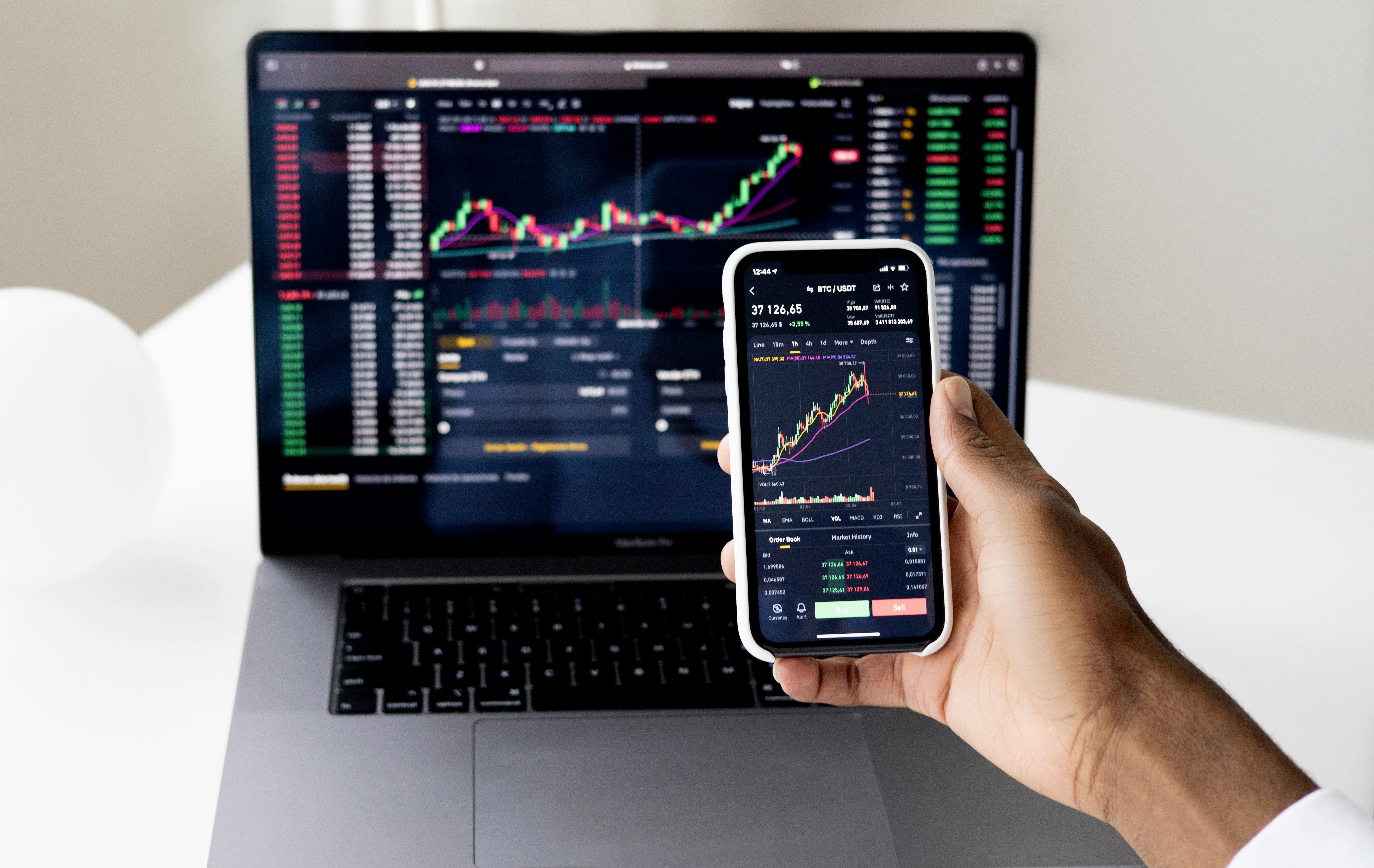

Asian markets can feel like a storm that forms without warning.
If you’ve ever been blindsided by a sudden drop—or an unexpected surge—you’re not alone. Many investors struggle with asian stock market volatility, especially when traditional Western analysis fails to explain what’s happening. Political shifts, currency swings, policy interventions, and regional economic interdependence all create layers of complexity that standard models often overlook.
You’re here to understand why these markets behave the way they do—and how to approach them more strategically. This guide breaks down the structural forces behind the turbulence, drawing on historical patterns and deep market data to give you a clearer, more reliable framework for navigating the chaos.
Navigating Uncertainty with Futures Trading
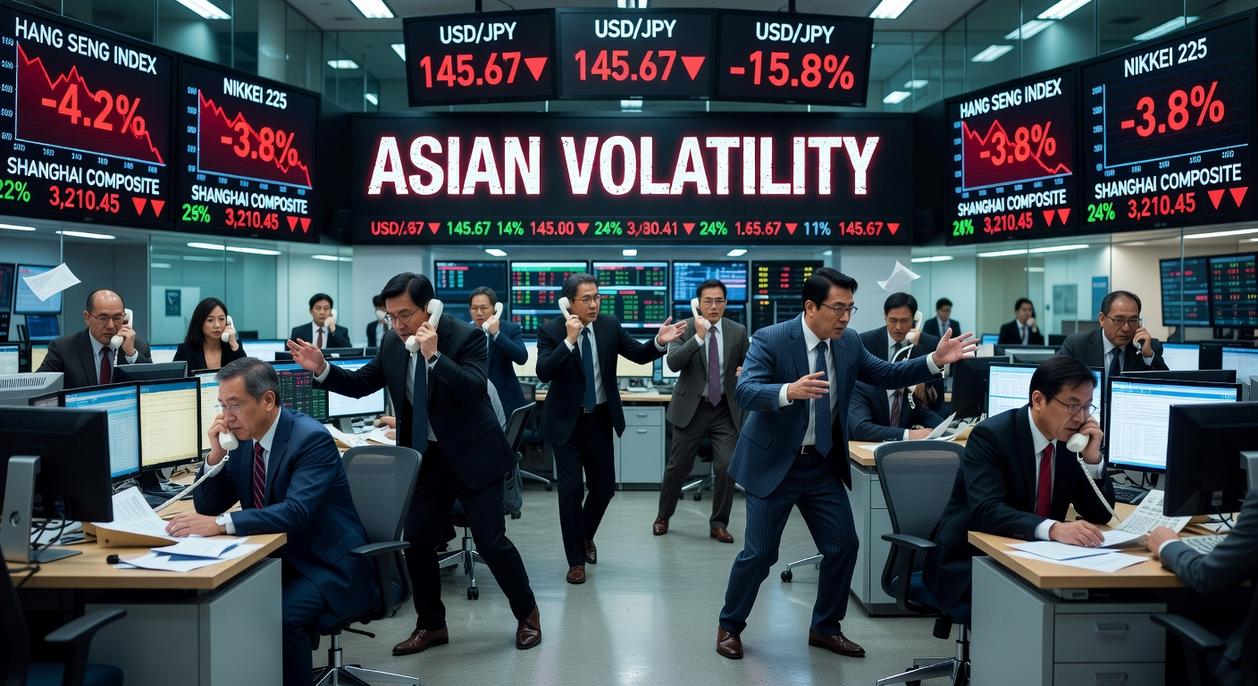
If markets feel unpredictable, that’s because they are. And nowhere is that more evident than during periods of asian stock market volatility, when prices can swing sharply in a single session.
Futures as a Hedging Tool
At their core, futures contracts are agreements to buy or sell an asset at a fixed price on a future date. Businesses and large investors often use index futures—contracts tied to a stock index like the FTSE Asia—to hedge, or reduce, portfolio risk.
For example, if a fund manager holds $10 million in Asian equities and fears a short-term downturn, they can sell index futures. If markets fall, losses in their stock portfolio may be offset by gains in the futures position. It’s financial insurance (and like insurance, it isn’t free).
Some critics argue hedging limits upside potential. That’s true—protection can cap gains. However, for institutions managing pensions or endowments, preserving capital often matters more than squeezing out every last percentage point.
Speculating on Volatility
On the other hand, traders use futures to speculate—profiting from price moves up or down. Because futures are leveraged instruments (you control a large position with relatively little capital), gains can multiply quickly. Unfortunately, so can losses.
Skeptics say this resembles gambling. And in reckless hands, it can be. Yet disciplined traders rely on risk controls, stop-loss orders, and macro analysis—including insights from the role of central banks in shaping asian market trends—to guide decisions.
Reading the Futures Market
Finally, futures pricing itself offers clues. Contango occurs when futures prices are higher than the current spot price, often signaling expectations of rising markets or carrying costs. Backwardation is the opposite—futures trade below spot, hinting at near-term uncertainty or supply-demand imbalances.
While some argue these signals are unreliable, seasoned investors treat them as one layer of evidence—not a crystal ball, but a weather forecast.
Practical Strategies for the Modern Investor
If the past decade has taught investors anything, it’s this: concentration feels smart—until it isn’t. Diversification is non-negotiable. Spreading capital across countries like Japan, India, and South Korea helps reduce country-specific risk, but that’s only half the equation. Sector diversification matters just as much. During the 2020 pandemic shock, global energy stocks fell over 30% while technology surged (MSCI, 2020). A portfolio tilted too heavily in one sector faced a classic single-point-of-failure risk—meaning one weak area can drag down everything else.
Some argue that deep knowledge of a single market beats diversification. Warren Buffett himself has warned against “diworsification.” Fair point. But for most investors without inside access or institutional research teams, broader exposure statistically reduces volatility and drawdowns (Modern Portfolio Theory, Markowitz).
Next: adopt a long-term horizon. Trying to time asian stock market volatility is a losing game for most retail investors. DALBAR studies consistently show that average investors underperform market indices due to poor timing decisions. Staying invested through political cycles and currency swings often proves more effective than jumping in and out (even if it’s less exciting than a trading montage from The Big Short).
Focus on quality fundamentals—companies with strong balance sheets, low debt-to-equity ratios, and durable competitive advantages. Firms with healthy cash reserves historically recover faster after downturns (McKinsey, 2022).
Finally, stay informed through reliable, data-driven investor news updates. Look for reporting grounded in earnings data, regulatory changes, and macroeconomic indicators—not hype. (Pro tip: if a headline sounds urgent and dramatic, pause before reacting.)