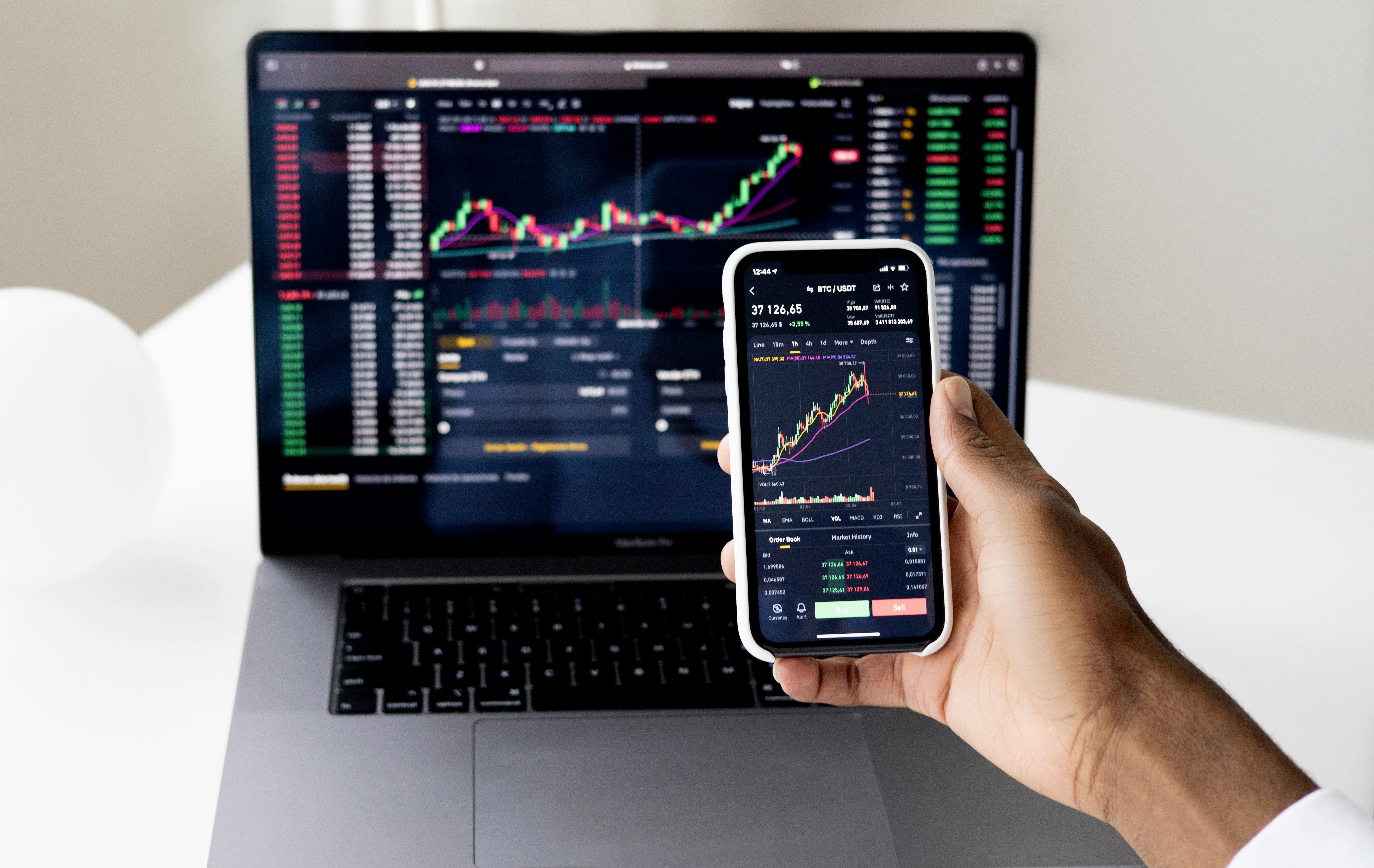
Market volatility can erode portfolio value in a matter of days, leaving unprepared investors exposed to significant losses. This guide introduces a strategic framework for hedging with futures strategies to help manage that risk effectively. You’ll gain a clear, practical understanding of how futures contracts work and how they can function as a protective buffer against adverse price movements. By breaking down the mechanics and offering real-world examples, this article equips you with actionable steps to safeguard your capital and navigate unpredictable market swings with greater confidence and control.
Understanding the Mechanics of Futures Contracts
A futures contract is a legally binding agreement to buy or sell an asset at a predetermined price on a specific future date. In practice, this could mean locking in the price of crude oil shipped through Singapore or securing exposure to the FTSE Asia index months before settlement. You’re not buying the asset today—you’re agreeing on tomorrow’s price today (which can feel a bit like time travel for traders).
Key Terminology Explained
- Margin: A good-faith deposit required to open a position. It’s not the full contract value—just collateral.
- Leverage: Control of a large position with a relatively small amount of capital. Gains amplify, but so do losses.
- Expiration: The date the contract settles, often quarterly in major index futures.
- Contract specification: The fine print—contract size, tick value, settlement method.
Futures vs. Other Instruments
Unlike stocks, futures don’t represent ownership. Unlike options, they create an obligation, not a choice. Traders primarily Use hedging with futures strategies to manage risk or speculate on price direction.
Types of Futures
Commodity futures cover oil or palm oil; index futures track benchmarks like the FTSE Asia; currency futures hedge USD/JPY exposure. In Asia-Pacific markets, these instruments often react sharply to overnight U.S. data (something seasoned traders watch closely).
Identifying and Quantifying Your Portfolio’s Risk Exposure

At its core, portfolio risk is price volatility—the degree to which asset prices fluctuate over time. Volatility is typically measured by standard deviation; according to MSCI data, emerging Asian equities have historically shown higher volatility than developed markets, meaning sharper gains—and steeper losses. That unpredictability is precisely what futures contracts are designed to offset.
Consider a hypothetical investor holding $2 million in a diversified Asian stock portfolio tracking the FTSE Asia Index. If a regional economic downturn triggers a 15% market decline (not uncommon during crisis periods such as 2008 or 2020, per World Bank data), the portfolio could lose $300,000 in weeks. That’s the core risk in action.
To quantify exposure:
- Determine portfolio beta relative to a benchmark index.
- Multiply beta by total portfolio value.
- Estimate impact from a projected market move.
If your portfolio beta is 1.2, a 10% decline implies roughly a 12% drop in value. This calculation provides a practical risk estimate before considering hedging with futures strategies.
Some argue long-term investors should ignore short-term swings. Evidence suggests otherwise: studies from Vanguard show tactical hedging can reduce drawdowns during temporary shocks. Hedging is most effective when anticipating short-term volatility—not when making permanent market exits.
Practical Hedging Strategies Using Futures
Market swings can be brutal. One week your portfolio looks solid, the next it feels like it’s melting for reasons no headline can fully explain. That frustration is exactly why many investors turn to futures contracts—standardized agreements to buy or sell an asset at a set price on a future date.
The Short Hedge: Protecting a Long Position
If you hold a diversified Asian equity portfolio that closely tracks the FTSE Asia index, you’re exposed to broad market declines. A short hedge means selling FTSE Asia index futures to offset potential losses.
Step-by-step:
- Estimate your portfolio’s value (say $1,000,000).
- Check the FTSE Asia futures contract value (e.g., $100,000 per contract).
- Sell 10 contracts to roughly match exposure.
If the market drops 10%, your portfolio may lose $100,000—but your short futures position could gain about the same. It’s not magic. It’s risk offsetting (finally, something that moves logically when markets don’t).
The Long Hedge: Locking in a Future Purchase Price
Businesses face a different headache: rising input costs. Suppose a manufacturer needs copper in six months. By buying copper futures today, they lock in the current price. If prices surge, gains on the futures contract help offset higher physical purchase costs. That’s cost certainty—something CFOs sleep better with.
Calculating the Hedge Ratio
The hedge ratio determines how many contracts you need:
Portfolio Value ÷ Futures Contract Value.
Adjust for beta if your portfolio doesn’t perfectly track the index (pro tip: ignoring beta is a common mistake).
Risks of Hedging
- Basis risk: The futures price and asset value may not move perfectly together.
- Opportunity cost: If markets rise, your hedge limits gains.
Critics argue hedging with futures strategies reduces upside. True. But many investors prefer smoother returns over rollercoaster drama.
If you’re new, review this beginners guide to understanding futures contracts before placing trades.
Managing Risk in Dynamic Asian Markets
Asian markets move to rhythms that often catch global investors off guard. Unlike developed Western exchanges, volatility here is frequently driven by sharp currency swings, surprise regulatory shifts, and rapid changes in retail investor sentiment. For example, a sudden yuan adjustment or an unexpected Bank of Japan policy tweak can ripple across equities within hours (Asian Development Bank reports highlight currency sensitivity as a core regional risk factor).
However, many competitors stop at identifying volatility. What they miss is precision. Using FTSE Asia Index Futures allows investors to offset exposure across multiple key economies in a single contract, rather than patching together country-by-country hedges. That’s especially relevant when correlations spike during regional stress events.
Some argue a global index hedge is simpler. Yet for portfolios concentrated in Asia, broad exposure can dilute protection. Hedging with futures strategies through a region-specific index delivers tighter alignment, lower basis risk, and more efficient capital use.
Building a More Resilient and Predictable Investment Portfolio
You set out to understand how futures contracts can help protect your investments from market volatility—and now you have a clearer path forward. Sudden downturns and unexpected losses don’t have to dictate your financial future. By incorporating hedging with futures strategies, you introduce greater stability, structure, and control into an otherwise unpredictable market environment.
The real risk is doing nothing and leaving your portfolio exposed. Take the next step: evaluate your current risk exposure and implement a disciplined hedging plan today. Strengthen your long-term strategy, reduce uncertainty, and position your portfolio to weather whatever the market brings.