Asian markets move fast—and if you’re searching for clarity on FTSE Asia index trends, futures activity, or the latest investor updates, you likely want insight you can actually use. This article breaks down recent market movements across Asia, highlighting what’s driving volatility, where institutional money is flowing, and how futures markets are signaling potential shifts ahead.
In a landscape often shaped by market rumors vs verified data, it’s critical to separate speculation from substantiated developments. Here, you’ll find analysis grounded in real index performance, trading data, and confirmed economic indicators—not headlines designed to spark panic or hype.
Our goal is simple: give you a clear, data-backed overview of current Asian market dynamics so you can interpret trends with confidence. Whether you’re tracking the FTSE Asia index, monitoring futures sentiment, or scanning for actionable investor news, this guide delivers focused, reliable insights to help you stay informed and prepared.
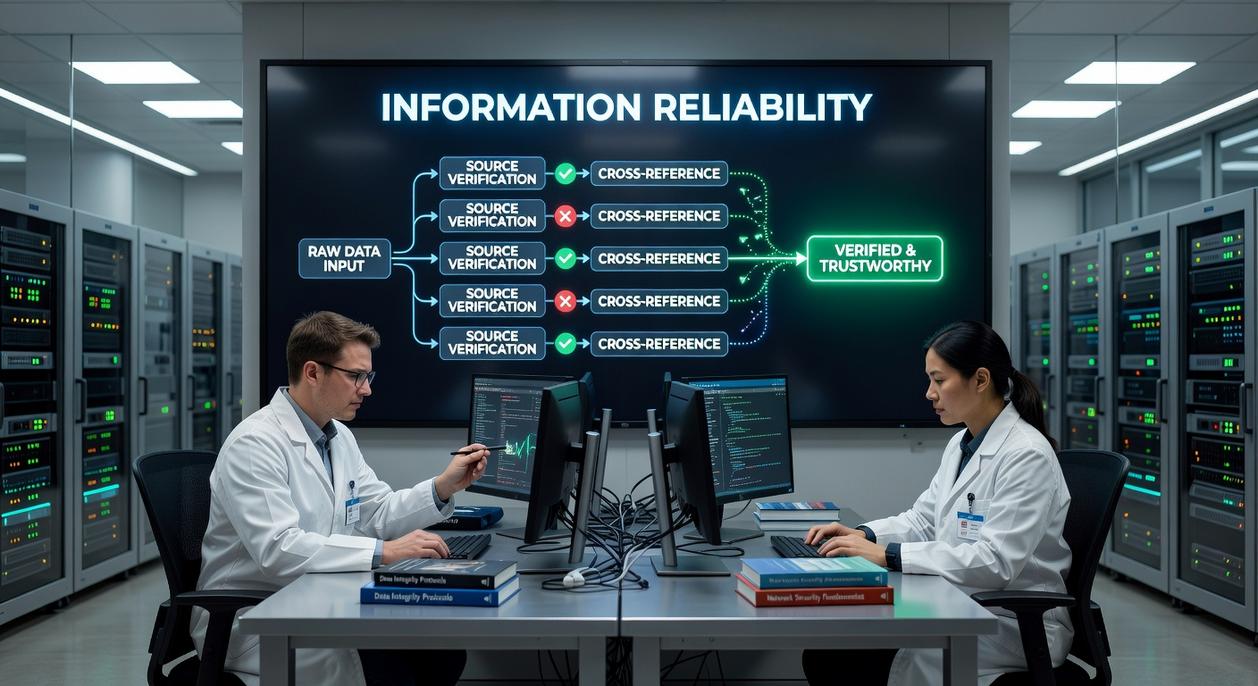
The Investor’s Dilemma isn’t volatility; it’s confusion. Every day, headlines, influencers, and anonymous forums blur market rumors vs verified data, especially in the fast-moving FTSE Asia index. Most competitors repeat price summaries; few teach a decision filter.
Here’s ours: Evidence before emotion.
- Source the claim.
- Confirm with primary filings or exchange data.
- Map impact to earnings, liquidity, or policy.
Skeptics argue speed matters more than scrutiny. In futures, seconds count (true). But untested tips erode capital faster than missed rallies. Pro tip: track how often a source is wrong. Patterns reveal credibility. Apply this repeatable process daily.
The Psychology of Rumors: Why We Listen to Market Chatter
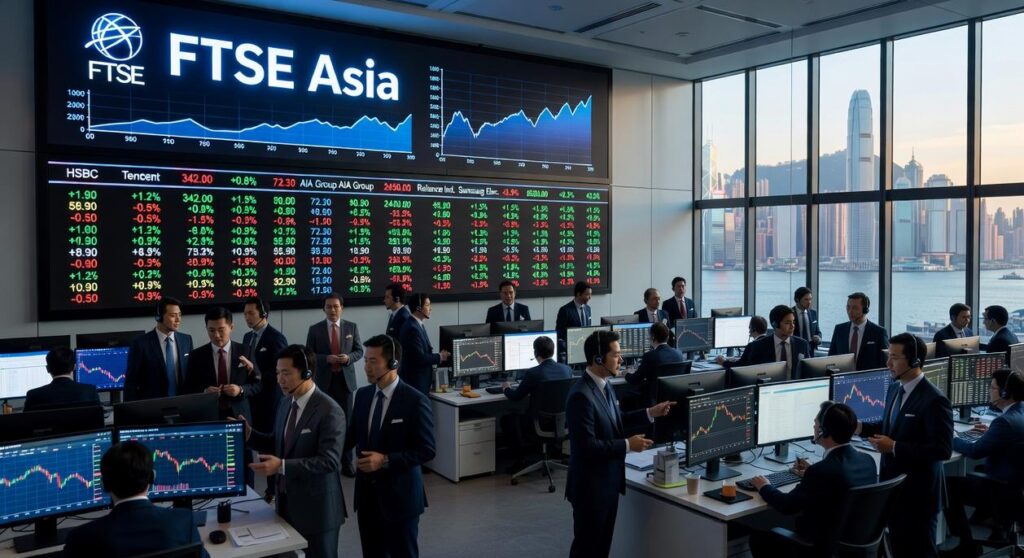
The trading floor hums with anticipation; screens flicker green and red, and somewhere between the buzz of notifications and the metallic taste of adrenaline, a rumor appears. Suddenly, everyone is listening.
At the center of this reaction is Fear of Missing Out (FOMO), the anxious feeling that others are profiting while you hesitate. In fast-moving Asian growth markets, where innovation headlines flash daily, that fear can feel almost physical (like watching the last train pull away without you). Consequently, investors lean toward whispers of “the next big thing.”
Moreover, rumors seem to offer a speed advantage. They spread through chat rooms and social feeds long before official filings are released. That split-second gap creates the illusion of an inside edge—market rumors vs verified data becomes a race, and speed feels like power.
However, confirmation bias quietly shapes what we believe. Investors tend to accept rumors that reinforce their existing views about a hot tech stock while dismissing contradictory evidence. It sounds persuasive, so it must be true.
Consider a recent “hot tip” about an emerging chipmaker. Shares spiked within hours, fueled by excitement—then collapsed when earnings disappointed. The rise felt electric; the سقوط, just as sharp. Rumors thrill. Reality settles the bill.
The Bedrock of Verified Data: Building a Foundation for Success
In financial markets, verified data refers to information that is officially documented, independently reviewed, and publicly accessible. This includes company filings submitted to stock exchanges, audited financial statements reviewed by certified accountants, and economic reports issued by central banks such as the Bank of Japan or the People’s Bank of China. These sources form the factual backbone of serious market analysis.
Now compare two approaches: reacting to whispers in online forums or analyzing confirmed exchange disclosures. The debate of market rumors vs verified data isn’t new. Rumors travel fast (often faster than broadband speeds), but verified filings carry legal accountability. One is noise; the other is evidence.
Consider Asian markets. Reliable data typically comes from:
- Official stock exchange announcements like those published on HKEX or SGX
- Regulatory filings detailing earnings, mergers, and risk exposures
- Established financial news terminals that cite primary documents
Scenario A: A trader buys shares based on unconfirmed takeover chatter.
Scenario B: Another waits for a formal exchange announcement confirming negotiations.
While Scenario A might capture early gains, it also risks sharp reversals if the story collapses. Scenario B sacrifices speed for confirmation, reducing exposure to misinformation.
Critics argue that waiting for verified reports means missing opportunities. That’s partially true. However, professionals account for data lag—the delay between real-world events and published reports—by modeling expectations in advance rather than speculating blindly. (Think chess, not roulette.)
In the long run, disciplined reliance on documented evidence consistently outperforms impulsive reaction.
A Tale of Two Signals: Analyzing the FTSE Asia Index
The FTSE Asia Index (a benchmark tracking leading companies across major Asian markets) recently offered a textbook lesson in patience.
Scenario Part 1: The Rumor
A widespread whisper of a looming government crackdown on a major technology sector spread across trading desks. Futures contracts—agreements to buy or sell an asset at a set price on a future date—reacted instantly. Prices dipped sharply as traders rushed to hedge or liquidate positions.
This is classic herd behavior (when investors follow the crowd rather than the data). Acting quickly can feel smart—decisive, even heroic. But speed without confirmation often leads to selling into weakness. Many short-term traders likely exited at a loss, locking in downside before facts emerged.
Scenario Part 2: The Data
Days later, official economic indicators showed stable industrial output and stronger-than-expected export growth. Corporate earnings reports reinforced the picture of resilience. The feared crackdown? Nowhere in policy briefings.
Investors who waited for confirmation saw something different: discounted valuations in fundamentally sound companies. Instead of panic, they saw opportunity.
This contrast highlights the tension between market rumors vs verified data. One triggers emotion; the other builds conviction.
For traders looking to sharpen their edge, understanding sentiment tools can help filter noise—see this guide on using market buzz indicators to spot emerging opportunities.
Key Takeaway: Patience is a competitive advantage. In derivatives and index trading, waiting for substantiated information often turns volatility into opportunity. (Pro tip: If news moves markets instantly, pause and ask what’s confirmed—and what’s merely speculation.)
Start with an anecdote about chasing a tip that fizzled. A few years ago, I bought into an Asian tech stock after seeing a flashy headline; by week’s end, it had sunk. Since then, I’ve relied on three habits. First, the “Source Cross-Check.” I confirm claims with two independent, credible outlets—think exchange filings plus major financial media. Next, the “Economic Calendar.” I track CPI, central bank meetings, and earnings dates; volatility often clusters there, as studies from the BIS note. Finally, “Read the Filing.” Skim summaries, sure, but verify numbers in reports. In short, choose market rumors vs verified data.
A Framework for Action: Trading with Confidence
In fast-moving markets, information overload is real. So, what does a “framework” actually mean? Simply put, it’s a repeatable decision-making process you follow before placing a trade. The core challenge, however, is resisting impulsive moves driven by market rumors vs verified data. Rumors are unconfirmed claims; verified data includes earnings reports, regulatory filings, or official index updates.
Therefore, a disciplined approach matters. Start with a Source Cross-Check: confirm your idea with at least two credible sources before acting. Over time, this habit protects capital, reduces emotional trades, and builds genuine, data-driven confidence.
Stay Ahead of Every Market Move
You came here to make sense of fast-moving Asian markets — and now you have a clearer view of FTSE Asia index trends, futures activity, and the forces driving investor sentiment.
The real challenge isn’t access to information. It’s separating market rumors vs verified data before making decisions that impact your capital. Acting on noise instead of facts can cost you opportunities — or worse, hard-earned returns.
The smartest investors don’t react. They analyze, confirm, and execute with confidence.
So here’s your next move: start tracking reliable index data daily, monitor futures signals with discipline, and rely on trusted, data-driven insights to guide every trade. Join thousands of informed investors who depend on accurate Asian market updates to stay ahead of volatility.
Don’t let uncertainty dictate your strategy. Get the verified insights you need — and make your next market move with clarity and conviction.