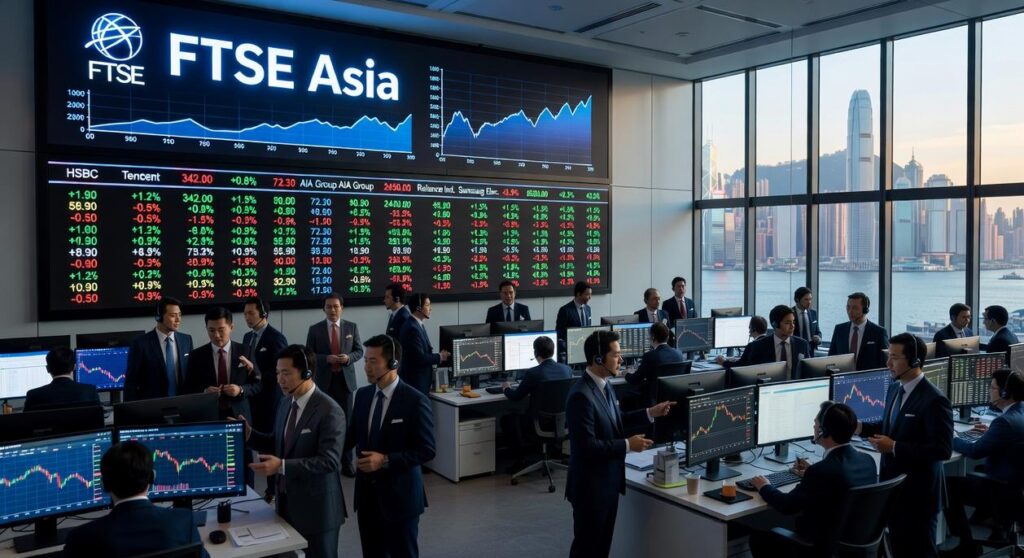

Asian markets move fast—often reacting to policy shifts, earnings releases, geopolitical developments, and global macro signals within minutes. If you’re searching for clear, timely insight into FTSE Asia index trends, futures activity, and broader regional market movements, this article is designed to give you exactly that. We break down the latest data shaping investor sentiment, explain how key sectors are responding, and highlight what those shifts could mean for short- and long-term positioning.
Our analysis draws on up-to-date market reports, index performance data, and cross-market comparisons to provide a reliable view of the financial news impact on markets across Asia. Instead of headlines without context, you’ll get structured insights that connect market events to price action and trading behavior. Whether you’re tracking daily volatility or evaluating broader trends, this guide helps you interpret what’s happening—and why it matters for your investment decisions.
Markets move on headlines—but not randomly.
Understanding the financial news impact on markets helps you trade with logic, not panic. When inflation spikes, bond yields often rise, pressuring growth stocks across major Asian indices like the Nikkei 225 and Hang Seng. Stronger GDP can lift cyclicals yet hurt defensives.
Think cause and effect, not noise (the market is not a drama series twist).
Key reactions at a glance:
| Headline | Typical Reaction |
| Inflation Up | Rates Up, Equities Mixed |
| GDP Beat | Cyclicals Up |
PRO TIP: Watch expectations versus actuals; surprises move prices the fastest.
The Big Three: Key Economic Indicators and Their Market Impact
When markets swing, three reports usually sit at the center of the storm: inflation, employment, and GDP. Understanding them side‑by‑side helps investors interpret the financial news impact on markets with more clarity.
1. Inflation Reports (CPI vs. PPI)
Inflation measures how fast prices rise. The Consumer Price Index (CPI) tracks household goods, while the Producer Price Index (PPI) measures input costs for businesses.
- Higher-than-expected inflation: Stocks often sell off as traders anticipate interest rate hikes (higher borrowing costs reduce corporate profits).
- Lower-than-expected inflation: Markets may rally on hopes of stable or falling rates.
In other words, hot CPI vs. cool CPI can mean risk-off vs. risk-on positioning—almost overnight.
2. Employment Data (Strong vs. Weak)
Non-Farm Payrolls and the unemployment rate gauge labor market strength.
- Strong jobs growth: Signals economic health—but may fuel inflation fears.
- Weak data: Raises recession concerns—yet can ease rate pressures.
So which is better? It depends on what central banks fear more: inflation or slowdown.
3. GDP (Expansion vs. Contraction)
Gross Domestic Product measures total economic output.
- Strong GDP: Boosts confidence and equity markets.
- Negative growth: Sparks recession fears and a shift to safer assets.
Pro tip: Compare expectations vs. actual results—markets react to surprises, not headlines.
Beyond the Headlines: Interest Rates and Central Bank Policy
The Central Bank’s Real Lever of Power
Central banks like the Federal Reserve, ECB, and Bank of Japan use interest rates as their primary monetary policy tool—meaning their main method for steering inflation and economic growth. When inflation (a sustained rise in prices) runs hot, they raise rates to cool demand. When growth stalls, they cut rates to stimulate borrowing and spending.
But here’s what many overlook: it’s not just about the rate move—it’s about the timing, tone, and trajectory.
How Rate Changes Move Markets
Higher rates increase borrowing costs, squeezing corporate margins and often pressuring equities. Lower rates typically encourage expansion and risk-taking.
| Rate Direction | Borrowing Cost | Corporate Impact | Typical Equity Reaction |
|—————|—————|—————–|————————|
| Hike | Higher | Lower earnings | Bearish pressure |
| Cut | Lower | Growth boost | Bullish momentum |
Some argue markets “price in” rate changes early. True—but the financial news impact on markets often accelerates volatility when expectations shift suddenly.
Forward Guidance and ‘Fed Speak’
Forward guidance refers to how central banks signal future policy intentions. Markets frequently react more to projected paths than current levels. A single word—“persistent” vs. “moderating”—can redirect capital flows (yes, really).
For deeper sector positioning strategies, review top sectors creating the most market attention this quarter.
The competitive edge? Track tone shifts across meetings—not just headlines.
Case Study: Tracking the FTSE Asia Index Response to News
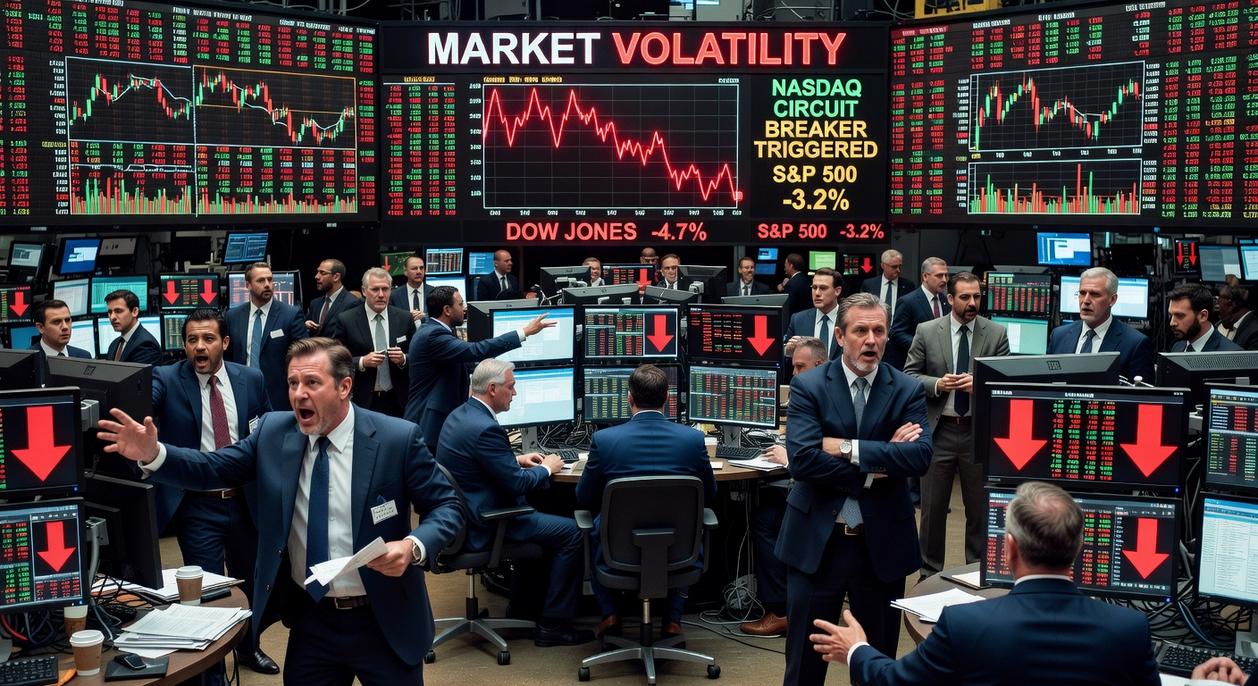
Asian equity markets don’t move in isolation. Indices such as the FTSE Asia often react within hours to headlines from Washington or Beijing. That regional sensitivity reflects trade dependence, export exposure, and foreign capital flows (the lifeblood of many emerging exchanges). While competitors focus on daily percentage moves, fewer explain the transmission mechanism behind the financial news impact on markets.
Example 1 – A Surprise Rate Hike
Imagine the US Federal Reserve unexpectedly raises interest rates. Higher US yields make dollar assets more attractive, prompting global investors to pull capital from emerging Asian equities. The result? Currency pressure, declining liquidity, and a swift dip in the FTSE Asia index. This capital rotation effect is often faster than retail investors anticipate. Pro tip: watch US Treasury yields alongside Asian futures for early warning signals.
Example 2 – Strong Chinese PMI Data
Now consider better‑than‑expected Chinese Purchasing Managers’ Index (PMI) data. PMI measures manufacturing expansion above 50 (source: S&P Global). Strong readings suggest higher industrial demand, lifting commodity exporters and regional suppliers. Mining, shipping, and semiconductor stocks often rally first, pulling the broader index higher. Think of it as a rising tide effect—when China’s factories hum, much of Asia hums with them.
Trading the News: How Futures Markets Price in Economic Data
Futures markets are often described as a leading indicator—a market that reacts before others, signaling where prices may head next. In practice, index futures tied to benchmarks like the FTSE Asia can move within seconds of a data release. Employment numbers, inflation prints, or central bank decisions hit the wire, and algorithms respond almost instantly (faster than most traders can refresh a screen).
Volatility and Strategy: Fade vs. Follow
This immediate reaction highlights the financial news impact on markets. High-impact releases frequently trigger sharp, short-term volatility—rapid price swings driven by uncertainty and order imbalances. For traders, volatility means opportunity, but also elevated risk. Some argue that trading news is reckless because spreads widen and slippage increases. That’s fair. Yet others counter that avoiding these windows means missing the market’s most dynamic moves.
Two common tactics emerge. Following means riding the initial breakout, assuming momentum will persist. The reward can be substantial if institutional flows reinforce the move. However, reversals can be swift. Conversely, fading involves betting the first spike was an overreaction and positioning for a pullback. It’s contrarian—and risky if the trend strengthens.
Looking ahead, speculation suggests faster AI-driven trading could amplify these knee-jerk moves, making disciplined risk management more critical than ever.
Turning Economic Data into Actionable Market Insights
You now understand that inflation, employment, and GDP steer market direction. So what should you do next? Instead of reacting emotionally to headlines, start building a process. After all, volatility around announcements isn’t random—it reflects financial news impact on markets in real time.
Here’s a practical plan:
- Track the economic calendar weekly.
- Compare expectations versus actual data releases.
- Watch index futures immediately after announcements.
- Note how central bank tone shifts asset prices.
Over time, patterns will emerge (yes, even in fast-moving Asian markets). Pro tip: journal reactions to sharpen your trading instincts.
Stay Ahead of Every Market Move
You came here to better understand Asian market movements, FTSE Asia index trends, and how futures activity and investor updates shape opportunities. Now you have a clearer view of the forces driving volatility, sector momentum, and cross-border capital flows.
In today’s environment, hesitation and outdated information are costly. Markets react in seconds, and the financial news impact on markets can shift sentiment before most investors have time to respond. Missing those signals means missed entries, poor timing, and unnecessary risk.
The advantage goes to investors who act on timely data, track index trends closely, and connect headlines to price action with confidence.
If you’re serious about staying ahead of sharp swings and fast-moving Asian markets, make real-time insights part of your daily strategy. Follow the latest updates, monitor FTSE Asia index movements, and use trusted analysis to guide your next trade. Join thousands of market-focused investors who rely on accurate, timely coverage—start tracking smarter today.