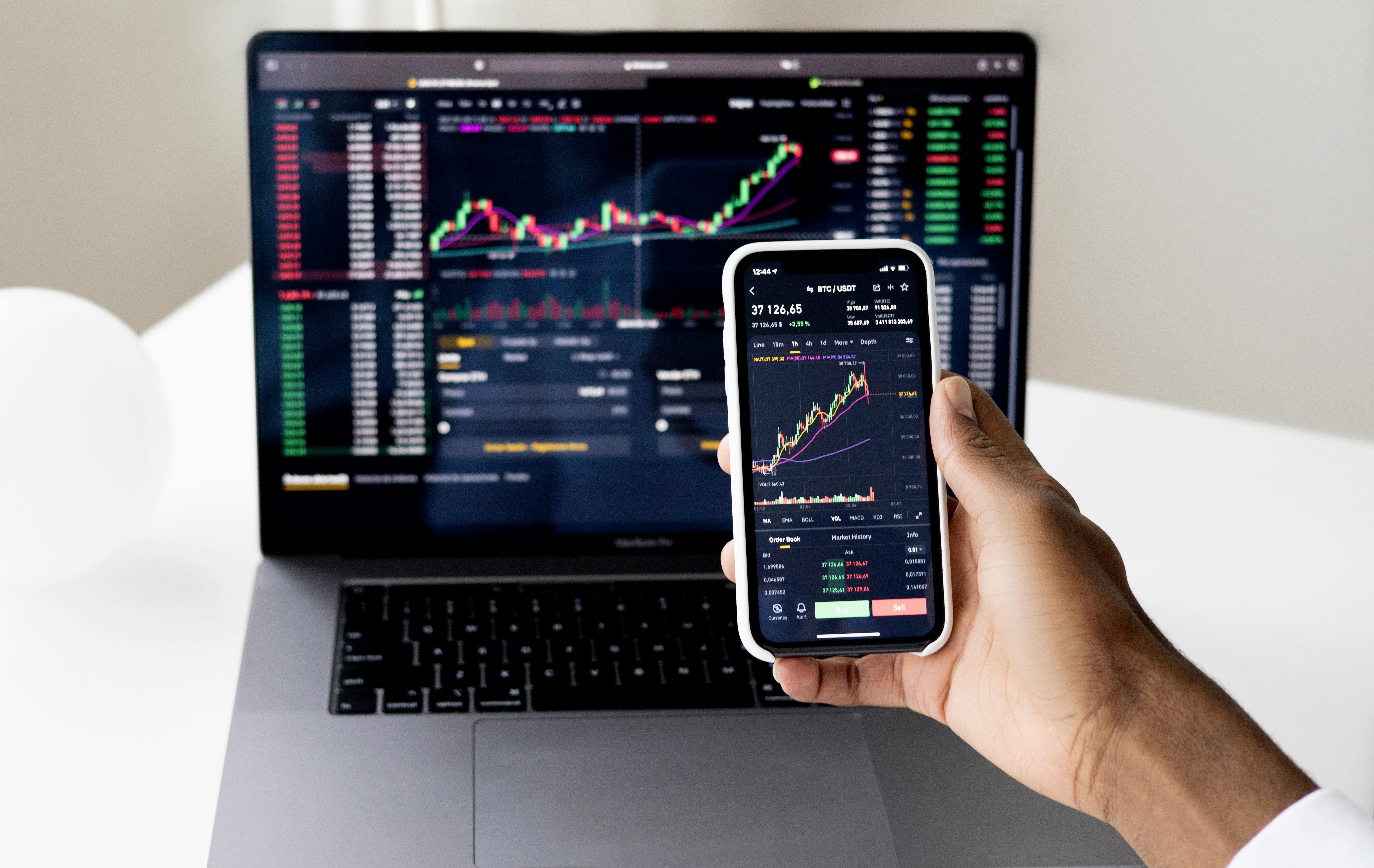
If you’re trading fast-moving markets like the FTSE Asia index, understanding futures vs options comparison isn’t optional — it’s essential.
Many traders know these are powerful derivative instruments, but few fully grasp how differently they behave under pressure. That confusion often leads to costly mistakes, unnecessary risk, or missed profit opportunities.
This article breaks it down clearly and practically. You’ll learn the core differences between futures and options, how each contract works, and when one makes more sense than the other in your trading strategy.
Our insights are grounded in deep analysis of Asian market movements and real-world derivatives activity — so you’re not just getting theory, but practical guidance you can actually use.
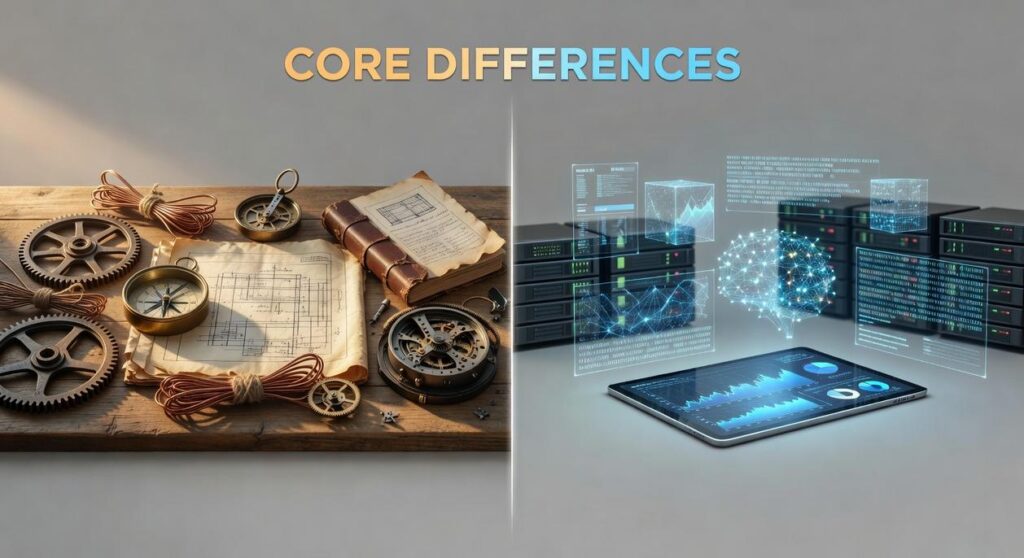
Head-to-Head Comparison: The Core Differences You Must Know

When investors compare two financial instruments, they often assume the differences are minor. However, in fast-moving Asian markets and global derivatives trading, small structural differences can dramatically affect risk, return, and capital requirements.
Let’s break this down clearly.
At the most basic level, futures contracts are legally binding agreements to buy or sell an asset at a predetermined price on a specific date. Options contracts, by contrast, give the holder the right—but not the obligation—to buy or sell at a set price before expiration.
That distinction alone changes everything.
futures vs options comparison
-
Obligation vs Right
Futures require execution at expiry. Options allow you to walk away (though you lose the premium paid). -
Upfront Cost Structure
Futures require margin (a good-faith deposit). Options require a premium, which is typically smaller but non-refundable. -
Risk Exposure
Futures carry potentially unlimited losses in volatile markets. Options buyers face limited loss (the premium), while sellers can face substantial risk.
According to the Bank for International Settlements (BIS), global derivatives markets exceeded $600 trillion in notional value in recent reports, with futures representing a significant share of exchange-traded contracts. That scale alone shows how critical it is to understand structural differences.
For example, during the 2020 oil price collapse—when WTI crude briefly traded below $0—futures traders faced direct settlement exposure. Meanwhile, many options buyers simply allowed contracts to expire worthless, limiting their downside to the premium paid (a painful loss, yes—but not catastrophic).
Critics argue that options are “safer” because losses are capped. However, this oversimplifies reality. Options pricing incorporates time decay (known as theta), meaning value erodes as expiration approaches—even if the market doesn’t move. In contrast, futures do not suffer from time decay in the same way.
Moreover, if you’re studying how commodity futures influence global supply chains, you’ll see that producers and exporters often prefer futures for hedging because they lock in pricing certainty—something options may not guarantee without higher premium costs.
Pro tip: Choose based on objective, not popularity. Hedging and speculation require different tools—and the data consistently shows that mismatched instruments amplify risk (CME Group market education reports).
Ultimately, the difference isn’t cosmetic. It’s structural—and structure determines outcome.
Choosing the Right Tool for Your Trading Strategy
You now have a clear understanding of the fundamental differences between futures (obligation) and options (right)—and how their risk profiles can dramatically impact your results.
The challenge isn’t access to these instruments. It’s choosing the wrong one.
Selecting incorrectly between futures and options can expose you to unintended risk, margin pressure, or losses that don’t align with your original strategy. A tool designed for leverage can quickly become a liability if it doesn’t match your market outlook or risk tolerance.
When you align your market view, financial goals, and risk appetite with the right instrument, your strategy becomes sharper. Futures may offer direct exposure and certainty. Options provide flexibility and defined risk. The key is matching the tool to the objective—whether you’re hedging volatility or speculating on price movement.
Before deploying capital, pause. Define your trading objective clearly. Then decide whether the certainty of a futures contract or the flexibility of an option is the superior tool for the job.
 There is a specific skill involved in explaining something clearly — one that is completely separate from actually knowing the subject. Jeans Paynevaras has both. They has spent years working with asian market movements in a hands-on capacity, and an equal amount of time figuring out how to translate that experience into writing that people with different backgrounds can actually absorb and use.
Jeans tends to approach complex subjects — Asian Market Movements, Market Buzz, FTSE Asia Index Insights being good examples — by starting with what the reader already knows, then building outward from there rather than dropping them in the deep end. It sounds like a small thing. In practice it makes a significant difference in whether someone finishes the article or abandons it halfway through. They is also good at knowing when to stop — a surprisingly underrated skill. Some writers bury useful information under so many caveats and qualifications that the point disappears. Jeans knows where the point is and gets there without too many detours.
The practical effect of all this is that people who read Jeans's work tend to come away actually capable of doing something with it. Not just vaguely informed — actually capable. For a writer working in asian market movements, that is probably the best possible outcome, and it's the standard Jeans holds they's own work to.
There is a specific skill involved in explaining something clearly — one that is completely separate from actually knowing the subject. Jeans Paynevaras has both. They has spent years working with asian market movements in a hands-on capacity, and an equal amount of time figuring out how to translate that experience into writing that people with different backgrounds can actually absorb and use.
Jeans tends to approach complex subjects — Asian Market Movements, Market Buzz, FTSE Asia Index Insights being good examples — by starting with what the reader already knows, then building outward from there rather than dropping them in the deep end. It sounds like a small thing. In practice it makes a significant difference in whether someone finishes the article or abandons it halfway through. They is also good at knowing when to stop — a surprisingly underrated skill. Some writers bury useful information under so many caveats and qualifications that the point disappears. Jeans knows where the point is and gets there without too many detours.
The practical effect of all this is that people who read Jeans's work tend to come away actually capable of doing something with it. Not just vaguely informed — actually capable. For a writer working in asian market movements, that is probably the best possible outcome, and it's the standard Jeans holds they's own work to.